Type 2 Diabetes Diet Plan: Foods to Eat, Avoid, and Sample Meal Plans
A Type 2 diabetes diet plan focuses on controlling blood sugar by choosing the right foods, limiting those that cause glucose spikes, and following balanced meal patterns. This guide clearly explains which foods to eat, which foods to avoid, and provides practical sample meal plans you can follow in everyday life. Every section below directly supports those promises—no general nutrition drift.
Key Takeaways
- The right foods help stabilize blood sugar and improve insulin sensitivity
- Refined carbs and added sugars cause the biggest glucose spikes
- Balanced meals combine fiber, protein, and healthy fats
- Consistent meal timing matters as much as food choice
- Simple meal plans make diabetes management realistic and sustainable
How Diet Affects Type 2 Diabetes
Type 2 diabetes occurs when the body becomes resistant to insulin or doesn’t use it efficiently. Food choices directly affect how high and how fast blood sugar rises after eating.
Cause → effect → outcome
High-glycemic foods → rapid glucose spikes → increased insulin demand and fatigue
Balanced meals → slower digestion → steadier blood sugar levels
A diabetes-friendly diet does not mean extreme restriction—it means strategic selection.
Foods to Eat on a Type 2 Diabetes Diet
These foods help control blood sugar while supporting overall health.
Recommended Foods Table
| Food Category | Best Choices | Why They Help |
|---|---|---|
| Non-starchy vegetables | Broccoli, spinach, peppers | Low carbs, high fiber |
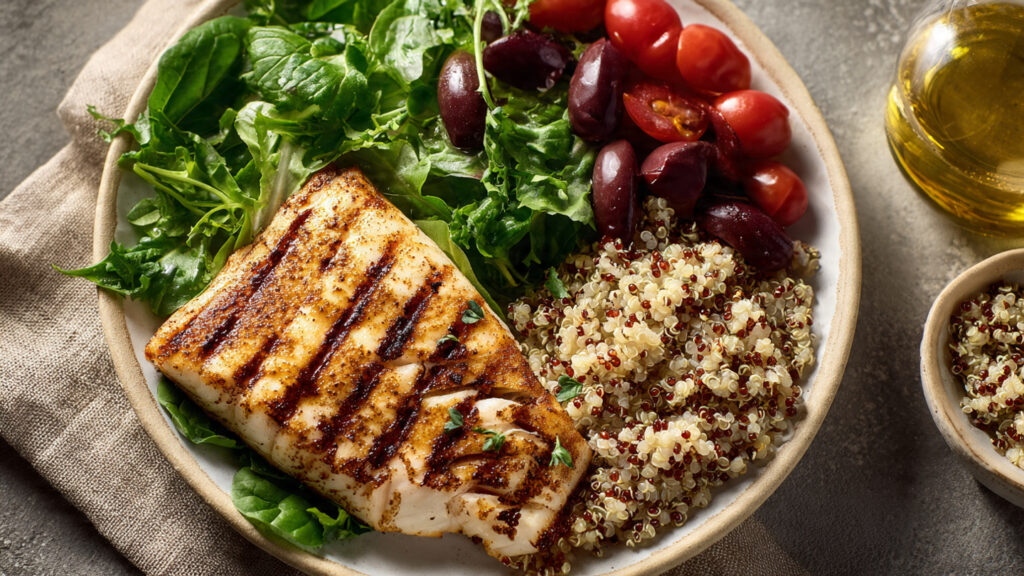
| Lean protein | Chicken, fish, eggs, tofu | Slows glucose absorption |
| Whole grains | Oats, quinoa, brown rice | Steadier blood sugar |
| Healthy fats | Olive oil, avocado, nuts | Improves insulin response |
| Low-GI fruits | Berries, apples, pears | Less blood sugar impact |
| Dairy (unsweetened) | Greek yogurt, cottage cheese | Protein + probiotics |
Why These Foods Work
- Fiber slows digestion and glucose release
- Protein reduces post-meal sugar spikes
- Healthy fats increase satiety and glucose control
Foods to Avoid or Limit With Type 2 Diabetes
Certain foods consistently raise blood sugar and worsen insulin resistance.
Foods to Avoid Table
| Food Type | Examples | Blood Sugar Impact |
|---|---|---|
| Refined carbs | White bread, pastries | Rapid glucose spikes |
| Sugary drinks | Soda, sweet tea | Immediate sugar surge |
| Processed snacks | Chips, crackers | High carbs, low fiber |
| Sweets | Candy, cakes, cookies | Poor glucose control |
| Fried foods | French fries | Insulin resistance risk |
Avoidance doesn’t need to be absolute, but frequency and portion size matter.
How to Build a Balanced Type 2 Diabetes Meal
Use the plate method, a simple structure endorsed by diabetes educators.
Diabetes Plate Method Table
| Plate Section | What to Include |
|---|---|
| ½ plate | Non-starchy vegetables |
| ¼ plate | Lean protein |
| ¼ plate | Whole grains or starchy vegetables |
| Side | Healthy fat (small amount) |
This structure naturally limits carbs while keeping meals satisfying.
Sample 7-Day Type 2 Diabetes Meal Plan
These examples show how diabetes-friendly meals look in real life.
Sample Daily Meal Plan Table
| Meal | Example |
|---|---|
| Breakfast | Greek yogurt, berries, chia seeds |
| Snack | Apple slices with almond butter |
| Lunch | Grilled chicken salad with olive oil |
| Snack | Handful of nuts |
| Dinner | Baked salmon, quinoa, roasted vegetables |
Weekly Variation Ideas
- Swap salmon for turkey or tofu
- Rotate vegetables to avoid boredom
- Adjust portions based on activity level
Carbohydrate Control and Portion Sizes
Carbohydrates have the biggest impact on blood sugar.
Typical Carb Targets (General Guidance)
| Meal | Carb Range |
|---|---|
| Breakfast | 30–45 grams |
| Lunch | 45–60 grams |
| Dinner | 45–60 grams |
| Snack | 15–20 grams |
Individual needs vary based on medication, activity, and glucose response.
Common Diet Mistakes to Avoid
- Skipping meals, leading to blood sugar swings
- Assuming “sugar-free” means carb-free
- Overeating healthy carbs without portion control
- Ignoring beverages as a sugar source
Consistency matters more than perfection.
Frequently Asked Questions
Can people with Type 2 diabetes eat fruit?
Yes—choose whole fruits with fiber and limit portions.
Are low-carb diets required?
Not necessarily. Balanced carb intake works well for many people.
Is rice completely off-limits?
No. Small portions of brown or wild rice are better options.
Do I need special diabetic foods?
No. Whole, minimally processed foods are best.
Can diet alone manage Type 2 diabetes?
For some people, yes—others may need medication alongside diet.
Action Steps
- Stock your kitchen with diabetes-friendly foods
- Plan meals before the week starts
- Use the plate method consistently
- Monitor blood sugar response to meals
- Adjust portions—not entire food groups
Conclusion
A well-planned Type 2 diabetes diet focuses on foods to eat, foods to avoid, and realistic meal planning—not deprivation. By choosing fiber-rich carbs, lean proteins, and healthy fats while limiting refined sugars, you can stabilize blood sugar and build a sustainable eating routine that fits everyday life in the USA.