Living with Arthritis: Pain Management Strategies and Daily Living Tips
Living with arthritis means managing chronic joint pain, stiffness, and mobility limitations while still maintaining independence and quality of life. This guide focuses on practical pain management strategies and daily living tips that people with arthritis can actually use—covering medical, physical, and lifestyle approaches that reduce pain, protect joints, and make everyday tasks easier.
Key Takeaways
- Arthritis pain can be reduced with a combination of treatments, not one fix
- Movement and strength protect joints better than rest alone
- Small daily habit changes significantly reduce joint stress
- Pain management works best when physical and lifestyle strategies are combined
- Consistency matters more than intensity
Understanding Arthritis and Daily Pain
Arthritis is a condition involving joint inflammation and degeneration, most commonly osteoarthritis and rheumatoid arthritis. Pain occurs due to cartilage breakdown, inflammation, and reduced joint cushioning.
Cause → effect → outcome
Joint damage → inflammation and stiffness → pain and reduced mobility
Effective management focuses on reducing inflammation, maintaining movement, and minimizing joint strain.
Pain Management Strategies for Arthritis
Arthritis pain is best controlled using layered strategies, not relying on a single method.
Common Arthritis Pain Management Options
| Strategy | How It Helps | Best Use Case |
|---|---|---|
| Anti-inflammatory medication | Reduces swelling and pain | Moderate to severe pain |
| Heat therapy | Relaxes stiff joints | Morning stiffness |
| Cold therapy | Reduces inflammation | Swollen or painful joints |
| Physical therapy | Improves strength and mobility | Long-term joint health |
| Topical creams | Local pain relief | Hands, knees, shoulders |
Using multiple approaches together often provides better relief than medication alone.
Exercise and Movement for Arthritis Relief
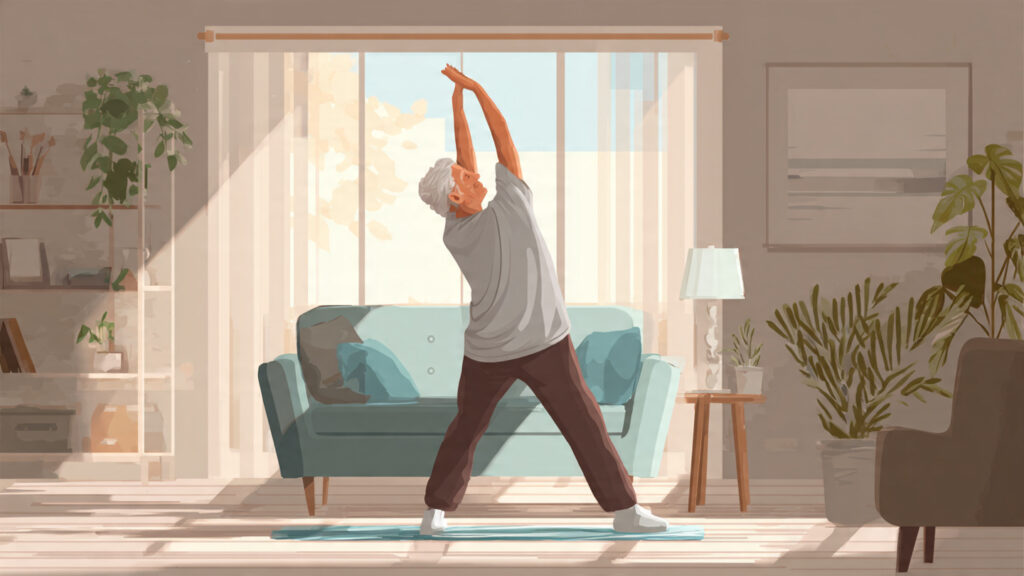
Movement may feel counterintuitive, but it is one of the most effective arthritis treatments.
Best Exercises for People with Arthritis
| Exercise Type | Examples | Joint Benefit |
|---|---|---|
| Low-impact cardio | Walking, cycling | Improves circulation |
| Range-of-motion | Stretching, yoga | Reduces stiffness |
| Strength training | Resistance bands | Protects joints |
| Water exercise | Swimming, aqua aerobics | Minimal joint stress |
Cause → effect → outcome
Regular movement → stronger muscles → reduced joint load and pain
Even 10–15 minutes daily makes a measurable difference.
Daily Living Tips to Reduce Joint Stress
Small adjustments in how tasks are done can significantly reduce arthritis pain.
Joint-Friendly Daily Living Strategies
| Task Area | Helpful Adjustments |
|---|---|
| Household chores | Use long-handled tools |
| Cooking | Lightweight cookware |
| Dressing | Button hooks, elastic clothing |
| Work tasks | Ergonomic keyboards |
| Phone use | Voice-to-text features |
Reducing repetitive strain helps preserve joint function over time.
Diet and Weight Management for Arthritis
Diet does not cure arthritis, but it influences inflammation and joint stress.
Foods That Support Joint Health
| Food Group | Examples | Benefit |
|---|---|---|
| Omega-3 fats | Salmon, flaxseed | Reduce inflammation |
| Antioxidants | Berries, leafy greens | Protect joint tissue |
| Whole grains | Oats, brown rice | Lower inflammation |
| Healthy oils | Olive oil | Anti-inflammatory effect |
Weight and Joint Pain
| Weight Change | Joint Impact |
|---|---|
| 5–10% loss | Reduced knee and hip pain |
| Stable weight | Slows joint degeneration |
Even modest weight loss reduces pressure on weight-bearing joints.
Pain, Sleep, and Mental Health
Chronic arthritis pain affects sleep and emotional well-being.
Why This Matters
- Poor sleep increases pain sensitivity
- Stress worsens inflammation
- Depression can reduce pain tolerance
Helpful Habits
- Consistent sleep schedule
- Gentle stretching before bed
- Mindfulness or breathing exercises
Addressing mental health improves physical pain outcomes.
Assistive Devices That Improve Independence
Assistive tools reduce strain and prevent flare-ups.
Common Arthritis Assistive Devices
| Device | Purpose |
|---|---|
| Knee or wrist braces | Joint stability |
| Canes or walkers | Reduce joint load |
| Jar openers | Hand pain relief |
| Raised toilet seats | Less knee strain |
Frequently Asked Questions
Should people with arthritis avoid exercise?
No. Proper exercise reduces pain and stiffness over time.
Does weather affect arthritis pain?
Many people experience symptom changes with pressure and temperature shifts.
Are supplements helpful?
Some find relief with omega-3s or glucosamine, but results vary.
Is rest or movement better during flare-ups?
Gentle movement is usually better than complete rest.
Can arthritis pain be fully eliminated?
It can often be significantly reduced, but management is ongoing.
Action Steps
- Combine medication with movement and lifestyle changes
- Add low-impact exercise to daily routine
- Modify daily tasks to protect joints
- Address sleep and stress consistently
- Use assistive tools before pain worsens
Conclusion
Living with arthritis requires ongoing adjustments, but effective pain management strategies and daily living tips can dramatically improve comfort and independence. By combining movement, joint-friendly habits, proper pain relief methods, and supportive tools, many people in the USA successfully reduce arthritis pain and continue active, fulfilling lives.