How to Lower Cholesterol Naturally: Diet, Exercise, and Lifestyle Changes
Lowering cholesterol naturally means using diet, exercise, and lifestyle changes—not vague wellness advice—to reduce LDL (“bad”) cholesterol, raise HDL (“good”) cholesterol, and improve heart health. This guide explains exactly which foods help or hurt, what types of exercise work best, and which lifestyle changes measurably improve cholesterol levels, with clear tables and real-world scenarios.
Key Takeaways
- Soluble fiber and healthy fats lower LDL cholesterol
- Regular aerobic exercise improves HDL and triglycerides
- Weight loss of 5–10% can significantly reduce cholesterol
- Smoking and excess alcohol raise cardiovascular risk
- Consistency matters more than perfection
How Cholesterol Works in the Body
Cholesterol travels through the bloodstream attached to lipoproteins.
Cause → effect → outcome
- High LDL → plaque buildup → increased heart disease risk
- Higher HDL → cholesterol removal → lower cardiovascular risk
Natural strategies target LDL reduction and HDL improvement simultaneously.
Diet Changes That Lower Cholesterol Naturally
Food choices directly affect cholesterol production and absorption.
Best Foods to Lower Cholesterol
| Food Category | Examples | How They Help |
|---|---|---|
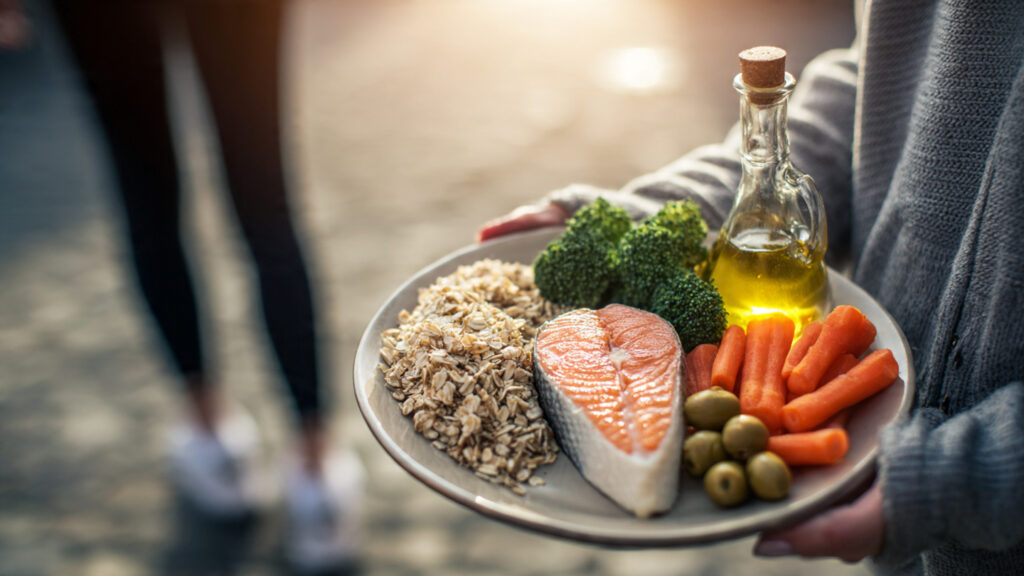
| Soluble fiber | Oats, beans, lentils | Reduces cholesterol absorption |
| Healthy fats | Olive oil, avocados | Lowers LDL, raises HDL |
| Fatty fish | Salmon, sardines | Omega-3s reduce triglycerides |
| Nuts & seeds | Almonds, flaxseed | Improve lipid profile |
| Plant sterols | Fortified foods | Block cholesterol absorption |
Why this works: soluble fiber binds cholesterol in the gut, while unsaturated fats reduce liver cholesterol production.
Foods to Limit or Avoid for Cholesterol Control
Some foods consistently raise LDL cholesterol.
Foods That Raise Cholesterol
| Food Type | Examples | Impact |
|---|---|---|
| Saturated fats | Butter, fatty meats | Raises LDL |
| Trans fats | Fried foods, pastries | Raises LDL, lowers HDL |
| Refined carbs | White bread, sweets | Raises triglycerides |
| Processed meats | Bacon, sausage | Increases heart risk |
Reducing—not necessarily eliminating—these foods can significantly improve cholesterol levels.
Exercise That Improves Cholesterol Levels
Physical activity changes how the body processes fats.
Best Exercises for Cholesterol
| Exercise Type | Frequency | Cholesterol Benefit |
|---|---|---|
| Brisk walking | 30 min, 5x/week | Lowers LDL |
| Cycling | 3–5x/week | Raises HDL |
| Swimming | 3x/week | Improves lipid balance |
| Strength training | 2x/week | Lowers LDL indirectly |
Cause → effect → outcome
Exercise → improved fat metabolism → better cholesterol ratios.
Weight Management and Cholesterol
Even modest weight loss improves cholesterol.
Weight Loss Impact
| Weight Loss | Expected Effect |
|---|---|
| 5% body weight | Lower LDL, triglycerides |
| 10% body weight | Significant HDL improvement |
Losing weight reduces liver cholesterol production and improves insulin sensitivity.
Lifestyle Changes That Lower Cholesterol Naturally
Diet and exercise work best when paired with supportive habits.
Lifestyle Adjustments
| Change | Why It Matters |
|---|---|
| Quit smoking | Raises HDL within weeks |
| Limit alcohol | Prevents triglyceride spikes |
| Sleep 7–8 hours | Regulates fat metabolism |
| Manage stress | Reduces inflammatory markers |
These changes amplify the benefits of diet and exercise.
How Long It Takes to See Results
Timeline Table
| Change Made | Typical Improvement Time |
|---|---|
| Diet changes | 4–6 weeks |
| Regular exercise | 8–12 weeks |
| Weight loss | 3–6 months |
| Full lifestyle reset | 6–12 months |
Common Mistakes That Prevent Cholesterol Improvement
- Focusing only on total cholesterol
- Ignoring triglycerides and HDL
- Relying on supplements instead of food
- Inconsistent exercise routines
Natural improvement requires systemic change, not shortcuts.
Frequently Asked Questions
Can cholesterol be lowered without medication?
Yes, many people lower LDL significantly with lifestyle changes alone.
Are eggs bad for cholesterol?
Moderate intake is fine for most people.
Do supplements replace diet changes?
No—food and exercise have the strongest effect.
How often should cholesterol be checked?
Typically every 4–6 years, or more often if elevated.
Is HDL more important than LDL?
Both matter, but lowering LDL is the primary goal.
Action Steps
- Replace saturated fats with healthy oils
- Add soluble fiber daily
- Exercise at least 150 minutes per week
- Reduce processed foods
- Track cholesterol changes over time
Conclusion
Learning how to lower cholesterol naturally means using diet, exercise, and lifestyle changes together, not in isolation. By focusing on proven foods, consistent physical activity, and sustainable habits, many people in the USA can significantly improve cholesterol levels and reduce heart disease risk—often without medication.