Why Driving Enjoyment Is Becoming a Premium Feature
Driving enjoyment used to be standard. Smooth steering, responsive engines, balanced suspension, and direct driver feedback were once expected—even in affordable cars. Today, driving enjoyment is increasingly reserved for higher-priced vehicles, while many mainstream models prioritize efficiency, compliance, and technology over feel.
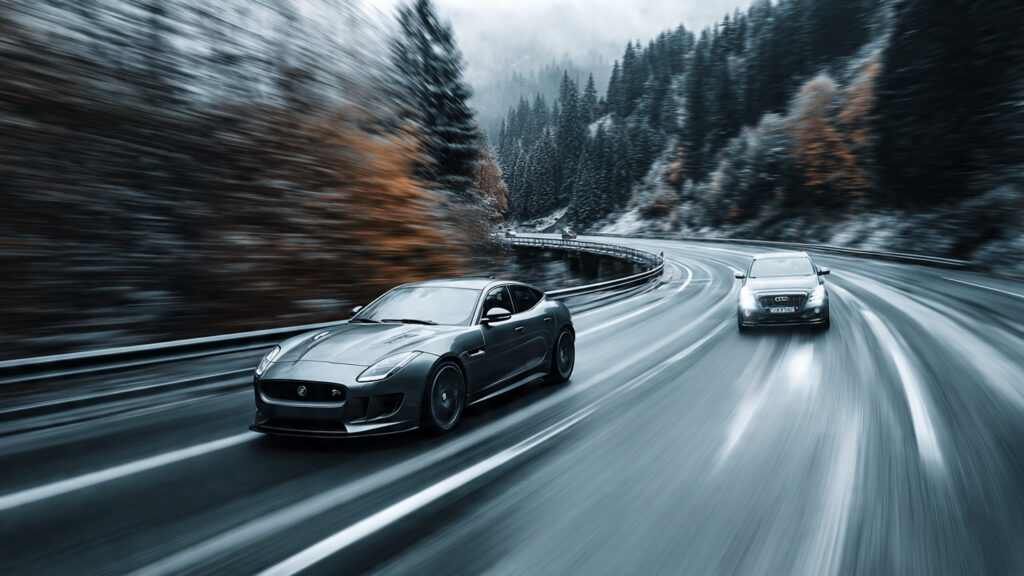
This article explains why driving enjoyment has become a premium feature in the U.S. market, what forces caused the shift, which elements are disappearing from affordable cars, and why enthusiasts are often asked to pay more for the same sensations that were once common.
Driving Enjoyment Competes With Modern Priorities
Automakers now optimize vehicles around objectives that conflict with driving feel.
The competing priorities
- Emissions compliance
- Fuel economy targets
- Safety regulations
- Cost reduction
- Technology integration
| Priority | Effect on Driving Feel |
|---|---|
| Emissions rules | Smaller engines, muted sound |
| Safety systems | Heavier vehicles |
| Cost control | Softer suspensions |
| Driver assists | Filtered steering |
Cause → Effect → Outcome
More regulations → more compromises → less natural driving engagement
Driving enjoyment isn’t banned—it’s deprioritized.
Weight Is the Silent Enemy of Driving Feel
Modern cars are significantly heavier than older equivalents.
Why weight keeps increasing
- Structural reinforcements
- Advanced safety systems
- Batteries and motors
- Infotainment hardware
- Sound insulation
| Vehicle Era | Average Compact Car Weight |
|---|---|
| Early 2000s | ~2,700 lbs |
| Mid-2010s | ~3,100 lbs |
| Mid-2020s | ~3,400–3,700 lbs |
Outcome:
Heavier cars require:
- Softer suspension
- More electronic intervention
- Reduced road feedback
Premium models spend more to mask weight with better engineering.
Steering Feel Is Engineered Out, Then Re-Engineered Back In
Electric power steering improves efficiency—but removes feedback.
What changed
- Hydraulic steering: direct, communicative
- Electric steering: efficient, programmable, isolated
| Steering Type | Driving Feedback |
|---|---|
| Hydraulic | High |
| Basic electric | Low |
| Tuned premium electric | Medium-High |
Cause → Effect → Outcome
Efficiency demand → electric steering → reduced feel
Premium tuning → cost increase → enjoyment becomes paid upgrade
Engines Are Quieter, Smaller, and Less Emotional
Performance per gallon improved—but character declined.
Why engines feel different now
- Turbocharging replaces displacement
- Sound deadening increases
- Artificial engine sound used instead
- Transmission logic favors efficiency
| Engine Type | Emotional Engagement |
|---|---|
| Naturally aspirated | High |
| Small turbocharged | Moderate |
| Hybrid-assisted | Low-Moderate |
Outcome:
Engines still perform—but feel less alive unless heavily tuned.
Manual Transmissions Became a Luxury Item
Manuals didn’t disappear due to lack of interest alone.
Why manuals became rare
- Emissions testing complexity
- Lower sales volume
- Higher certification costs
- Driver-assist incompatibility
| Vehicle Segment | Manual Availability |
|---|---|
| Economy cars | Rare |
| Mid-range sedans | Very rare |
| Performance trims | Limited |
| Enthusiast models | Premium-priced |
Cause → Effect → Outcome
Compliance cost → low availability → manuals marketed as premium
Suspension Tuning Is Where Cost Differences Show Most
Driving enjoyment depends heavily on suspension quality.
Budget vs premium suspension
| Feature | Budget Vehicles | Premium Vehicles |
|---|---|---|
| Shock quality | Basic | Adaptive |
| Spring tuning | Comfort-biased | Balanced |
| Body control | Moderate | Excellent |
| Road feel | Filtered | Controlled |
Outcome:
Enjoyable handling requires expensive components—raising price.
Driver Assists Reduce Driver Involvement
Modern cars actively intervene.
Common interventions
- Lane centering
- Stability control
- Traction management
- Collision avoidance
While beneficial, they reduce driver responsibility and feedback.
Cause → Effect → Outcome
More automation → less involvement → enjoyment diluted
Premium cars often offer:
- Adjustable systems
- Sport modes
- Reduced intervention settings
Interior Design Prioritizes Screens Over Controls
Touchscreens replaced tactile controls.
Why this affects enjoyment
- Delayed inputs
- Reduced muscle memory
- Increased distraction
- Less intuitive control during spirited driving
| Interface Type | Driver Engagement |
|---|---|
| Physical buttons | High |
| Hybrid controls | Medium |
| Touch-only | Low |
Premium models reintroduce tactile elements—at a cost.
Driving Enjoyment Now Signals Brand Identity
Manufacturers increasingly charge for personality.
What enjoyment is bundled with
- Performance trims
- Luxury brands
- Enthusiast editions
- Limited production models
Outcome:
Driving feel becomes a selling point—rather than a baseline expectation.
What This Means for U.S. Buyers
If you want enjoyable driving
- Expect higher prices
- Look for dedicated performance trims
- Accept lower fuel efficiency
- Choose simpler technology setups
- Consider enthusiast-focused brands
If you choose mainstream models
- Prioritize comfort and tech
- Accept filtered feedback
- Gain efficiency and safety
Driving enjoyment hasn’t vanished—it’s been repositioned.
Key Takeaways
- Driving enjoyment now conflicts with regulatory and efficiency goals
- Weight, steering, engines, and automation reduce natural feel
- Premium vehicles spend more to restore engagement
- Manuals, handling, and feedback now cost extra
- Enjoyment shifted from standard feature to premium differentiator
Conclusion
Driving enjoyment is becoming a premium feature because modern vehicles are engineered to satisfy regulations, efficiency targets, and mass-market preferences before driver engagement. Reintroducing feel requires specialized tuning, higher-quality components, and added development cost—expenses passed to buyers.
For U.S. drivers, this means a clear trade-off: affordable cars deliver comfort and technology, while engaging driving increasingly demands a higher price tag. Enjoyment still exists—but it’s no longer included by default.