Why Modern Cars Are Harder to See Out Of (And How Design Got Here)
If you’ve driven an older car and then stepped into a newer one, you’ve probably noticed it immediately: modern cars are harder to see out of. Thicker pillars, higher dashboards, smaller windows, and larger blind spots are now common across sedans, SUVs, and trucks in the United States.
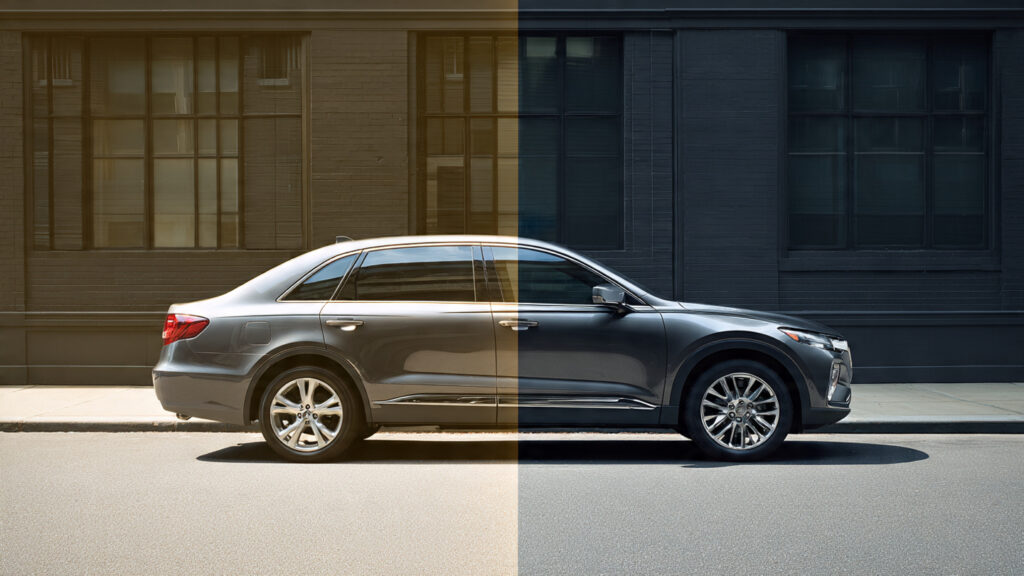
This article explains exactly why visibility has worsened, how car design evolved to this point, and what specific engineering, safety, and market forces caused it. Every section directly supports the title—no speculation, no nostalgia, just concrete reasons and outcomes.
The Core Problem: Visibility vs. Protection
Modern vehicles sacrifice outward visibility primarily to protect occupants during crashes and meet stricter safety standards.
The fundamental trade-off
- Older cars: Thin pillars, low beltlines, large glass areas
- Modern cars: Thick pillars, high beltlines, reinforced roofs
Cause → Effect → Outcome
- Stronger crash rules → thicker structural components → reduced sightlines
This trade-off wasn’t accidental. It was intentional—and driven by safety engineering.
Pillars Got Thicker (A, B, and C Pillars Explained)
One of the biggest visibility killers is pillar thickness.
What pillars do now vs. before
| Pillar | Older Cars | Modern Cars |
|---|---|---|
| A-pillar (front) | Thin metal + glass | Reinforced steel, airbags |
| B-pillar (middle) | Minimal support | Side-impact crash structure |
| C-pillar (rear) | Small profile | Roof-crush protection |
Why pillars expanded
- Side-impact crash standards
- Roof-crush resistance requirements
- Curtain airbag housing
- Stronger rollover protection
Result:
Modern A-pillars can block pedestrians, cyclists, and even entire vehicles during turns.
Beltlines Rose (Windows Got Shorter)
The beltline is the bottom edge of a car’s windows. Over time, beltlines moved upward.
Why beltlines increased
- Side-impact protection requires taller door structures
- Designers favor “high-shoulder” styling for strength
- SUVs and crossovers dominate the market
Visibility impact
| Feature | Older Cars | Modern Cars |
|---|---|---|
| Window height | Tall | Short |
| Door height | Low | High |
| Driver eye-to-window ratio | Favorable | Reduced |
Outcome:
Drivers sit behind taller doors with smaller glass areas, reducing side and diagonal visibility.
Dashboards Got Taller and Deeper
Another major change is dashboard height and depth.
What changed
- Larger infotainment screens
- Deeper crumple zones
- Airbag systems (driver + passenger)
- Structural cross-car beams
Practical consequence
- You sit farther from the windshield
- The hood edge disappears
- Shorter drivers struggle more with forward visibility
Cause → Effect → Outcome
- More safety tech → deeper dashboards → reduced forward sightlines
Rooflines Lowered for Style (Not Visibility)
While beltlines went up, rooflines often went down.
Why designers lowered roofs
- Aerodynamics and fuel efficiency
- Sportier, coupe-like profiles
- Market demand for aggressive styling
Visibility trade-off
| Design Choice | Effect |
|---|---|
| Sloped roof | Smaller rear window |
| Fastback designs | Larger rear blind spots |
| Thick rear pillars | Poor shoulder checks |
Result:
Rear visibility declined even as backup cameras became mandatory.
Bigger Cars Make Everything Worse
Vehicle size is a multiplier.
Size trends in the USA
- SUVs and pickups dominate sales
- Hoods are taller
- Windshields are more vertical
- Seating positions are higher
Why size hurts visibility
- Larger blind zones around the vehicle
- Harder to judge corners and front edges
- Children and obstacles disappear below sightlines
Real-world effect:
Drivers rely more on cameras because direct line-of-sight is insufficient.
Safety Regulations Changed the Design Path
Visibility declined because safety rules prioritized crash survival over situational awareness.
Key regulatory influences (simplified)
| Requirement | Design Impact |
|---|---|
| Roof-crush standards | Thicker pillars |
| Side-impact tests | Taller doors |
| Airbag mandates | Larger dash + pillars |
| Pedestrian impact zones | Taller, softer hoods |
These regulations saved lives, but they reshaped vehicles in ways that reduced transparency.
Cameras and Sensors Became a Compensating Tool
Modern cars don’t rely on visibility alone anymore.
Why tech replaced glass
- Backup cameras are mandatory in the USA
- Blind-spot monitoring offsets thick pillars
- 360-degree camera systems fill blind zones
Trade-off table
| Old Solution | New Solution |
|---|---|
| See through windows | Use cameras |
| Shoulder checks | Blind-spot sensors |
| Judge hood edge | Front cameras |
Important reality:
Technology compensates—but doesn’t fully replace human sight.
Why Older Cars Feel “Easier” to Drive
Drivers often say older cars feel “airy” or “open.”
That feeling comes from:
- Thin pillars
- Large windows
- Low dashboards
- Shorter hoods
But those cars:
- Failed modern crash tests
- Offered little side-impact protection
- Had weaker roofs in rollovers
Nostalgia ≠ safety reality
Can Visibility Improve Again?
Some manufacturers are trying.
Design strategies that help
- Split A-pillars
- Transparent pillar sections
- Lower beltlines on sedans
- Improved camera integration
Limits
- Safety regulations won’t loosen
- Market demand favors tall vehicles
- Styling trends remain aggressive
Conclusion:
Visibility may improve incrementally—but large glass areas like older cars are unlikely to return.
What Drivers Can Do Today
If visibility bothers you, practical steps help.
Mitigation options
- Adjust seat height and steering wheel position
- Use wide-angle side mirrors
- Learn blind-spot monitor limitations
- Use cameras as supplements, not replacements
Cause → Effect → Outcome
- Poor seat position → blocked sightlines → higher risk
- Proper adjustment → improved visibility → safer driving
Key Takeaways
- Modern cars are harder to see out of by design
- Safety regulations drove thicker pillars and higher beltlines
- Styling trends worsened rear and side visibility
- Cameras compensate—but don’t fully solve the issue
- Visibility loss is the cost of modern crash protection
Conclusion
Modern cars didn’t become harder to see out of by accident. Crash safety standards, vehicle size growth, structural reinforcement, and design trends all pushed visibility lower in favor of occupant protection. While technology now fills many gaps, the clear-glass openness of older cars is largely gone.
Understanding how design got here helps drivers adapt—and explains why visibility complaints are common across nearly all modern vehicles in the USA.