The Psychology Behind Always Wanting the Next Upgrade
Many people in the United States recognize the feeling: a device still works, a car still runs, a service still meets needs—yet the urge to upgrade feels almost unavoidable. Always wanting the next upgrade is not a personal failure; it is a predictable psychological response shaped by human cognition, marketing design, and modern economic incentives.
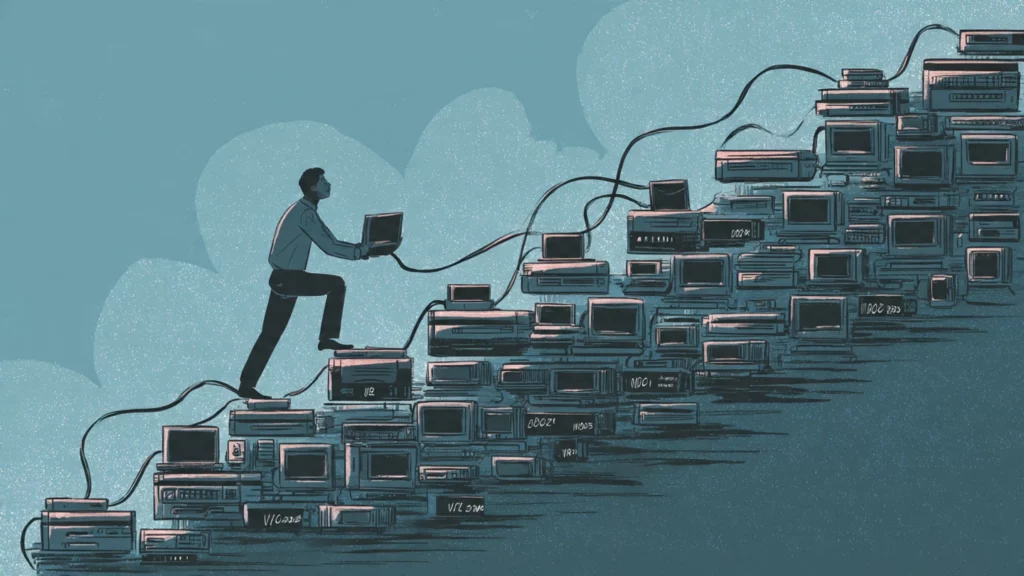
This article explains the psychology behind always wanting the next upgrade, identifying the specific mental mechanisms that drive upgrade desire, how they are triggered, and why they are so difficult to resist. Every section stays anchored to that exact promise.
The Core Psychological Driver: Hedonic Adaptation
The strongest force behind upgrade desire is hedonic adaptation.
What hedonic adaptation does
- Pleasure from new things fades quickly
- Satisfaction returns to baseline
- Desire resets toward “what’s next”
| Stage | Emotional State |
|---|---|
| Before purchase | Anticipation |
| Immediately after | Satisfaction |
| Weeks later | Neutral |
| After adaptation | Desire |
Cause → Effect → Outcome
New purchase → emotional boost → adaptation → renewed upgrade urge
The brain is wired to normalize improvements rapidly.
Novelty Bias Makes “New” Feel Better Than “Better”
Humans are neurologically biased toward novelty.
How novelty bias works
- New stimuli trigger dopamine
- Familiar items stop producing reward
- Novel features feel valuable regardless of utility
| Feature Change | Perceived Value |
|---|---|
| Meaningful improvement | High |
| Cosmetic change | Still feels high |
| Familiar function | Feels low |
Outcome:
“New” feels better than “sufficient,” even when functionality barely changes.
Loss Aversion Turns Ownership Into Anxiety
People fear losing potential benefits more than they enjoy current ones.
How loss aversion fuels upgrades
- “If I don’t upgrade, I’m missing out”
- Fear of falling behind peers
- Anxiety over outdated tools
| Thought Pattern | Result |
|---|---|
| “Mine still works” | Weak motivation |
| “Others have better” | Strong pressure |
Cause → Effect → Outcome
Comparison → perceived loss → urgency to upgrade
Marketing Exploits Cognitive Shortcuts
Upgrade psychology is amplified by behavioral framing.
Common upgrade triggers
- Limited-time offers
- Trade-in framing
- “Pro,” “Max,” or “Plus” labels
- Incremental version numbers
| Frame | Psychological Effect |
|---|---|
| “Only $20 more” | Minimizes cost |
| “Up to 2× faster” | Inflates value |
| “Last year’s model” | Devalues current ownership |
Marketing doesn’t create desire—it aims it.
Social Comparison Makes Satisfaction Temporary
Humans evaluate possessions socially, not objectively.
Comparison drivers
- Peer upgrades
- Influencer visibility
- Workplace norms
- Online reviews
| Comparison Type | Impact |
|---|---|
| Upward comparison | Dissatisfaction |
| Neutral comparison | Stability |
Outcome:
Even fully functional items feel inferior once others upgrade.
Progress Bias Confuses Change With Improvement
People assume progress is always forward—and necessary.
Progress bias effects
- Older equals worse
- New equals better
- Standing still feels like regression
| Reality | Perception |
|---|---|
| Product meets needs | “Outdated” |
| Feature unused | “Missing” |
Cause → Effect → Outcome
Progress framing → discomfort with stability → desire to upgrade
Ownership Identity Shifts From Use to Status
Upgrades are often about identity reinforcement, not utility.
Identity-based motivations
- Signaling competence
- Feeling current
- Aligning with “modern” identity
| Ownership Focus | Upgrade Pressure |
|---|---|
| Utility-based | Low |
| Identity-based | High |
When identity is tied to possessions, upgrades feel emotionally necessary.
Frictionless Buying Removes Reflection
Modern purchasing removes pause.
Friction-reducing mechanisms
- One-click buying
- Saved payment methods
- Subscription upgrades
- Automated trade-ins
| Purchase Method | Decision Awareness |
|---|---|
| Manual checkout | High |
| Automated upgrade | Low |
Outcome:
Less reflection → more frequent upgrades → faster desire cycles
Anticipated Regret Drives Preemptive Upgrading
People upgrade to avoid future regret.
Common anticipatory thoughts
- “What if I need it later?”
- “I should future-proof”
- “Better safe than sorry”
| Motivation | Effect |
|---|---|
| Fear-based | Early upgrading |
| Need-based | Delayed upgrading |
Cause → Effect → Outcome
Anticipated regret → premature upgrades → short satisfaction window
The Upgrade Cycle Reinforces Itself
Upgrade behavior trains the brain.
The reinforcement loop
- Desire forms
- Upgrade happens
- Dopamine spike
- Adaptation occurs
- Desire returns stronger
| Cycle Speed | Result |
|---|---|
| Slow | Occasional upgrades |
| Fast | Chronic dissatisfaction |
Repeated upgrading lowers the threshold for wanting more.
Why This Psychology Is Stronger Today in the USA
Modern environments intensify these effects.
Amplifying conditions
- Faster product cycles
- Visibility of others’ upgrades
- Subscription and trade-in models
- Constant marketing exposure
Outcome:
Upgrade desire becomes ambient, not intentional.
Key Takeaways
- Hedonic adaptation resets satisfaction quickly
- Novelty bias makes new feel better than sufficient
- Loss aversion and comparison drive urgency
- Marketing frames upgrades as necessary
- Frictionless buying accelerates upgrade cycles
Conclusion
The psychology behind always wanting the next upgrade is rooted in human adaptation, comparison, and reward systems—not poor judgment. In the United States, modern marketing, product cycles, and social visibility amplify these instincts, making satisfaction short-lived and upgrades feel inevitable.
Understanding these mechanisms doesn’t eliminate upgrade desire—but it restores control. When you recognize the psychological levers being pulled, the urge to upgrade becomes a choice instead of a reflex.