Electric Vehicle Buying Guide: Range, Charging, Tax Credits, and Total Cost
Buying an electric vehicle (EV) in the United States is no longer just an environmental decision—it’s a financial and practical one. In 2026, EV buyers must evaluate driving range, charging access, federal and state tax credits, and total cost of ownership, not just the sticker price.
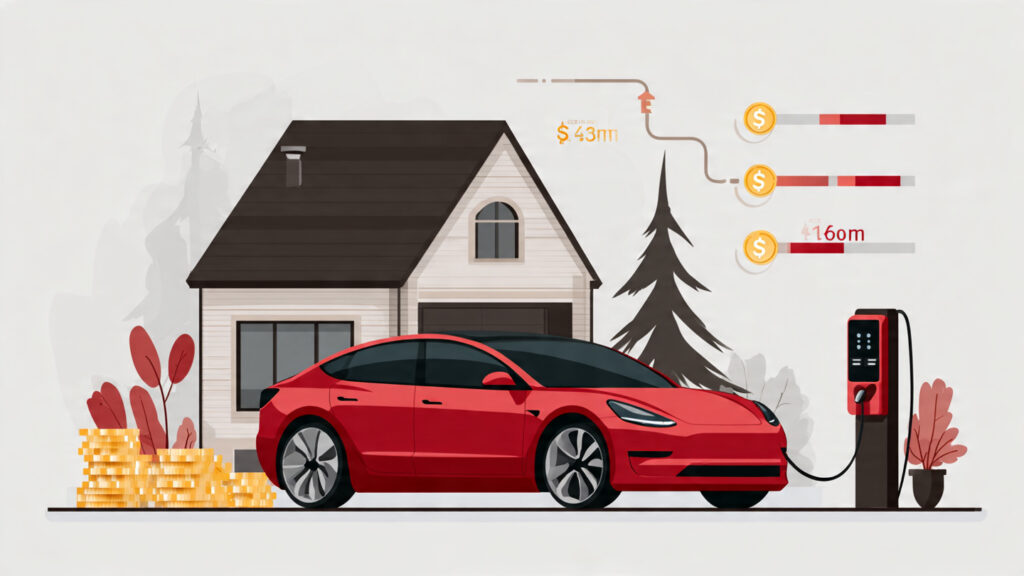
This electric vehicle buying guide breaks down exactly how range, charging, tax incentives, and total cost affect real-world ownership so buyers can determine whether an EV makes sense for their driving habits and budget.
Understanding EV Driving Range (What It Really Means)
EV range is the distance a vehicle can travel on a full charge. In practice, advertised range is not guaranteed range.
Factors that reduce real-world range
- Cold or hot weather
- Highway speeds
- Aggressive acceleration
- Towing or heavy cargo
| EV Range Category | Typical Use Case |
|---|---|
| 150–220 miles | City driving, short commutes |
| 220–300 miles | Mixed city/highway driving |
| 300+ miles | Long-distance travel, fewer charging stops |
Cause → Effect → Outcome
Lower range + limited chargers → charging anxiety → ownership frustration
Most U.S. drivers commute under 40 miles per day, making 200–300 miles of range sufficient for many households.
Charging Options: Home vs Public Charging
Charging convenience matters more than raw range.
Home charging options
- Level 1 (120V): Very slow, adds a few miles per hour
- Level 2 (240V): Adds 20–40 miles per hour
| Charging Type | Best For |
|---|---|
| Level 1 | Emergency or low-mileage drivers |
| Level 2 | Most EV owners |
| Public fast charging | Long trips only |
Outcome:
EV ownership is easiest when home Level 2 charging is available.
Public Charging: What Buyers Need to Know
Public charging is improving but still inconsistent.
Common public charging challenges
- Charger availability
- Broken stations
- Slower-than-advertised speeds
| Charger Type | Typical Charging Time |
|---|---|
| Level 2 | Several hours |
| DC fast charger | 20–45 minutes (partial charge) |
Cause → Effect → Outcome
Limited public chargers → trip planning required → inconvenience for some drivers
EVs are best suited for home-based charging lifestyles.
EV Tax Credits: What Still Applies in the USA
Federal tax credits can significantly reduce EV purchase cost—but eligibility is strict.
Federal EV tax credit basics
- Up to $7,500 for qualifying new EVs
- Income caps apply
- Vehicle price caps apply
- Final assembly requirements apply
| Buyer Type | Credit Eligibility |
|---|---|
| Middle-income buyers | Often eligible |
| High-income buyers | Often excluded |
| Used EV buyers | Smaller credits may apply |
Outcome:
Tax credits lower upfront cost but should never be assumed without verification.
State and Utility Incentives (Variable)
Beyond federal credits, incentives may include:
- State rebates
- Utility charging credits
- Reduced registration fees
Because availability varies widely by state, buyers should treat these as bonus savings, not guaranteed discounts.
Total Cost of Ownership: EV vs Gas Vehicle
The real financial question is total cost over time, not purchase price.
EV ownership cost advantages
- Lower fuel cost per mile
- Fewer moving parts
- Reduced routine maintenance
EV ownership cost disadvantages
- Higher upfront price
- Battery replacement risk (long-term)
| Cost Category | EV | Gas Vehicle |
|---|---|---|
| Fuel | Lower | Higher |
| Maintenance | Lower | Higher |
| Repairs | Moderate | Moderate |
| Insurance | Often higher | Lower |
Cause → Effect → Outcome
Lower operating costs → long-term savings → delayed break-even point
EVs typically break even after several years of ownership, depending on mileage and electricity rates.
Battery Longevity and Replacement Reality
Battery lifespan is a common concern.
What buyers should know
- Modern EV batteries are designed to last many years
- Degradation is gradual, not sudden
- Replacement costs are high but uncommon during early ownership
| Battery Consideration | Impact |
|---|---|
| Heat exposure | Accelerates degradation |
| Frequent fast charging | Increases wear |
| Long ownership | Increases replacement risk |
Outcome:
Battery replacement is a long-term risk, not an immediate cost for most buyers.
EV Insurance Costs
Insurance premiums for EVs are often higher.
Why EV insurance costs more
- Expensive battery packs
- Advanced sensors
- Specialized repairs
| Insurance Factor | Effect |
|---|---|
| Vehicle value | Higher premiums |
| Repair complexity | Higher claims |
| Limited repair shops | Increased costs |
When an EV Makes Financial Sense
EVs work best when:
- Home charging is available
- Daily driving fits within range
- Buyers qualify for tax credits
- Long-term ownership is planned
Outcome:
EVs reward consistency and planning, not impulse purchases.
When an EV May Not Be Ideal
EVs may be a poor fit if:
- Charging access is unreliable
- Long trips are frequent
- Tax credits are unavailable
- Cold climates dominate usage
Key Takeaways
- EV range matters, but charging access matters more
- Home charging is the biggest ownership advantage
- Tax credits can significantly lower upfront cost
- Operating costs are lower, but insurance may be higher
- Total cost favors EVs over long ownership periods
Conclusion
Buying an electric vehicle in the USA requires balancing range, charging convenience, tax credits, and long-term cost—not just environmental appeal. For drivers with reliable home charging and predictable driving patterns, EVs offer meaningful savings over time. For others, charging limitations and upfront cost may outweigh the benefits.
The smartest EV purchase is one that fits your lifestyle, mileage, and ownership horizon, not just current incentives.