How to Deal with a Toxic Boss: Strategies, Documentation, and When to Leave
A toxic boss can quietly damage your mental health, career trajectory, and financial stability. In the U.S. workplace, employees often stay too long because they’re unsure how to deal with a toxic boss, what to document, or when leaving is the smartest move.
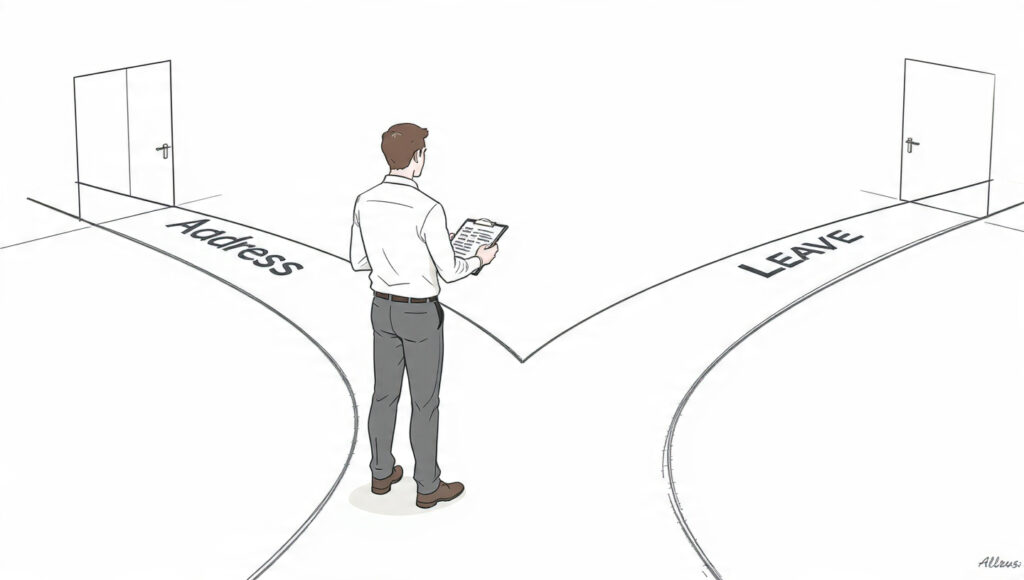
This guide breaks the problem down clearly: practical strategies you can use immediately, how to document toxic behavior correctly, and how to decide—rationally—when it’s time to leave.
What Actually Makes a Boss “Toxic”
A toxic boss is not just difficult or demanding. Toxicity is pattern-based behavior that harms employees over time.
Common toxic boss behaviors
- Public humiliation or belittling
- Gaslighting or rewriting events
- Unreasonable expectations or moving goalposts
- Favoritism and inconsistent rules
- Threats, intimidation, or retaliation
| Behavior Pattern | Long-Term Impact |
|---|---|
| Constant criticism | Confidence erosion |
| Unclear expectations | Chronic stress |
| Retaliation | Career risk |
Cause → Effect → Outcome
Toxic behavior → prolonged stress → burnout or forced exit
Strategy 1: Protect Your Performance and Reputation First
Before confronting anything, secure your professional standing.
Immediate actions
- Meet deadlines consistently
- Document accomplishments
- Communicate clearly in writing
| Protection Step | Why It Matters |
|---|---|
| Written updates | Creates a record |
| Clear deliverables | Reduces blame shifting |
| Professional tone | Preserves credibility |
Outcome:
You remain defensible even if the situation escalates.
Strategy 2: Set Boundaries Without Escalation
Toxic bosses often test limits.
Boundary-setting that works
- Calm, factual responses
- Redirecting conversations to work objectives
- Refusing to engage emotionally
Example:
“I want to clarify expectations so I can deliver this correctly.”
| Boundary Style | Result |
|---|---|
| Emotional confrontation | Escalation |
| Calm clarification | De-escalation |
Cause → Effect → Outcome
Clear boundaries → reduced abuse frequency → temporary stability
Strategy 3: Document Everything (The Right Way)
Documentation is your insurance policy.
What to document
- Dates and times
- Exact words or actions
- Witnesses present
- Impact on work
| Documentation Element | Importance |
|---|---|
| Specific language | High |
| Consistent timeline | High |
| Objective facts | Critical |
What NOT to include
- Emotional interpretations
- Assumptions of intent
- Gossip
Outcome:
Well-kept documentation gives you leverage and protection.
Strategy 4: Use Written Communication Strategically
Written communication creates clarity and accountability.
Best practices
- Follow verbal conversations with summary emails
- Confirm expectations and deadlines
- Keep language neutral
| Communication Type | Risk Level |
|---|---|
| Verbal only | High |
| Written follow-up | Low |
Cause → Effect → Outcome
Written records → reduced gaslighting → stronger position
Strategy 5: Assess HR Involvement Carefully
HR is not automatically your advocate.
When HR may help
- Clear policy violations
- Discrimination or harassment
- Retaliation evidence
When HR may not help
- Personality conflicts
- Vague complaints
- No documentation
| HR Scenario | Likely Outcome |
|---|---|
| Documented misconduct | Action possible |
| Opinion-based complaint | Minimal action |
Outcome:
HR involvement works best with evidence, not emotion.
Strategy 6: Monitor Your Health and Performance Signals
Toxic bosses often cause silent damage.
Warning signs you shouldn’t ignore
- Anxiety before work
- Sleep disruption
- Declining performance
- Loss of confidence
| Signal | Meaning |
|---|---|
| Chronic stress | Unsustainable |
| Performance dips | Career risk |
Cause → Effect → Outcome
Unmanaged stress → declining output → forced exit
When Documentation Is Enough—and When It Isn’t
Documentation alone doesn’t fix toxic leadership.
Documentation works when:
- Behavior violates policy
- Leadership is receptive
- You have internal allies
Documentation fails when:
- Boss is protected
- Culture tolerates toxicity
- Retaliation begins
| Situation | Best Move |
|---|---|
| Isolated issue | Escalate |
| Pattern + retaliation | Exit planning |
When Leaving Is the Right Decision
Leaving is not failure—it’s risk management.
Clear indicators it’s time to leave
- Retaliation after boundaries
- Health deterioration
- Career stagnation
- Reputation damage
| Indicator | Risk Level |
|---|---|
| Retaliation | Severe |
| Mental health decline | Severe |
| Skill atrophy | High |
Cause → Effect → Outcome
Staying too long → permanent damage → harder recovery
How to Leave Strategically (Not Emotionally)
Smart exit steps
- Secure references outside your manager
- Line up next role quietly
- Leave professionally
| Exit Action | Benefit |
|---|---|
| Quiet job search | Income security |
| Neutral resignation | Reputation protection |
Key Takeaways
- Toxic bosses damage careers over time
- Early documentation is critical
- Boundaries must be calm and factual
- HR helps only with evidence
- Leaving is sometimes the healthiest option
Conclusion
Dealing with a toxic boss requires strategy, documentation, and clarity—not confrontation alone. The goal is to protect your career, your health, and your future options. When documentation and boundaries fail, leaving is not weakness—it’s self-preservation.
The smartest professionals don’t endure toxicity indefinitely. They recognize it, record it, and remove themselves when necessary.