Tree Removal Cost Guide: Size, Location, and When You Need Permits
Tree removal can be expensive, regulated, and sometimes legally restricted. Whether you’re dealing with a hazardous tree, planning landscaping changes, or responding to storm damage, understanding tree removal costs, how size and location affect pricing, and when permits are required helps avoid surprise expenses and fines. This guide explains what U.S. homeowners need to know before cutting down a tree.
Key Takeaways
- Tree size is the biggest cost factor
- Location and access can double removal costs
- Permits are often required for healthy or protected trees
- Emergency removals cost more
- Hiring a certified arborist reduces liability
Average Tree Removal Cost in the USA
Tree removal costs vary widely based on complexity. Below are typical national price ranges for residential properties.
| Tree Size | Height | Typical Cost |
|---|---|---|
| Small | Up to 30 ft | $150 – $450 |
| Medium | 30–60 ft | $450 – $1,200 |
| Large | 60–80 ft | $900 – $2,500 |
| Extra-Large | 80+ ft | $2,000 – $5,000+ |
These prices usually include cutting and hauling but do not include stump removal, which is often charged separately.
How Tree Size Affects Removal Cost
Larger trees require more labor, equipment, and time.
- Tall trees increase fall risk
- Thick trunks require heavy-duty cutting tools
- Larger canopies complicate controlled removal
- Extra crew members raise labor costs
Diameter matters as much as height. A short tree with a thick trunk can cost more than a tall tree with a narrow base.
How Location Impacts Tree Removal Pricing
Low-Cost Locations
- Open yards
- Away from buildings
- Easy truck access
High-Cost Locations
- Near homes or garages
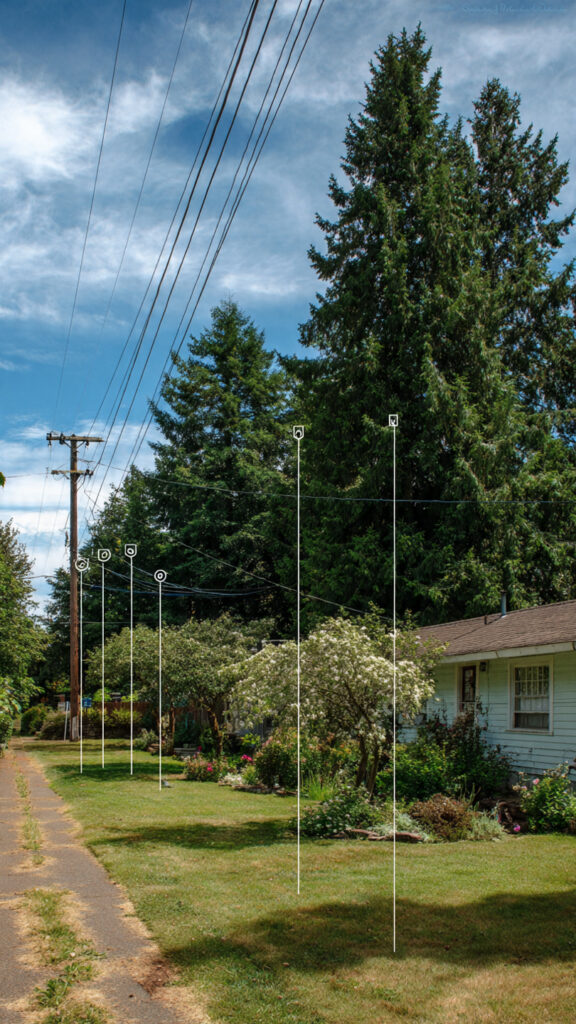
- Overhanging power lines
- Tight urban lots
- Fenced or landscaped areas
Trees close to structures often require sectional removal, cranes, or rope systems, increasing costs by 30–100%.
Tree Removal Near Homes and Power Lines
Trees near structures pose safety and liability risks.
- Higher insurance requirements
- Slower, more controlled cutting
- Utility coordination may be required
- Greater risk of property damage
If a tree touches power lines, only utility-approved professionals may legally remove it.
Emergency Tree Removal Costs
Emergency removals after storms or tree failures are more expensive due to urgency and danger.
Typical emergency pricing
- $1,000–$3,000 for large trees
- After-hours or weekend fees
- Storm surge demand premiums
Insurance may cover removal if the tree damages a covered structure.
Tree Cutting vs Tree Removal Cost
- Tree cutting: Trimming or partial removal; cheaper
- Tree removal: Entire tree removal down to ground level
Partial cutting costs less but may not solve root damage, disease, or safety issues.
Stump Removal and Additional Fees
Tree removal does not always include stump grinding.
Typical stump removal costs
- $100–$400 per stump
- Based on diameter and root depth
Other add-on costs may include:
- Wood chipping
- Log hauling
- Crane service
- Permit application fees
When You Need a Tree Removal Permit
Many U.S. cities and counties regulate tree removal.
Permits are commonly required when
- Tree exceeds a certain diameter
- Tree is healthy and not hazardous
- Tree is in a protected zone
- Tree is near public property
- Tree is a protected species
Permits may not be required when
- Tree is dead or dying
- Tree poses immediate danger
- Tree removal is utility-related
Removing a protected tree without approval can result in fines from $500 to $10,000+.
How to Check Local Tree Removal Laws
- Contact your city or county planning office
- Search local municipal codes online
- Ask a licensed arborist
- Verify HOA restrictions
Professional tree services often handle permits for you.
Hiring a Certified Arborist vs DIY Removal
DIY tree removal is extremely dangerous.
Why professionals cost more
- Liability insurance
- Safety training
- Specialized equipment
- Permit compliance
Most injuries and property damage occur during DIY attempts.
Frequently Asked Questions
Does insurance cover tree removal?
Insurance may cover removal if the tree damages a covered structure.
Can I remove a tree on my property without permission?
Not always. Local ordinances often regulate healthy or large trees.
Is stump removal mandatory?
No, but leaving stumps can cause regrowth and pest problems.
How long does tree removal take?
Small trees take hours; large trees may take a full day.
Is winter cheaper for tree removal?
Often yes, due to lower demand and frozen ground.
Action Steps
- Measure tree height and trunk diameter
- Identify nearby structures or hazards
- Check local permit requirements
- Get 2–3 professional quotes
- Confirm insurance and certifications
Conclusion
Tree removal costs depend heavily on size, location, and legal requirements. Understanding these factors helps homeowners budget accurately and avoid fines or safety risks. Before removing any tree, especially large or healthy ones, verify permit rules and work with licensed professionals to ensure safe, compliant removal.