How to Make Friends as an Adult: Strategies for Building New Connections
Making friends as an adult is harder than it looks—and harder than it used to be. Unlike childhood or college, adult life removes built-in social structures. Work, family, relocation, and time pressure all shrink social circles. Yet strong friendships remain one of the biggest predictors of happiness, health, and resilience in adulthood.
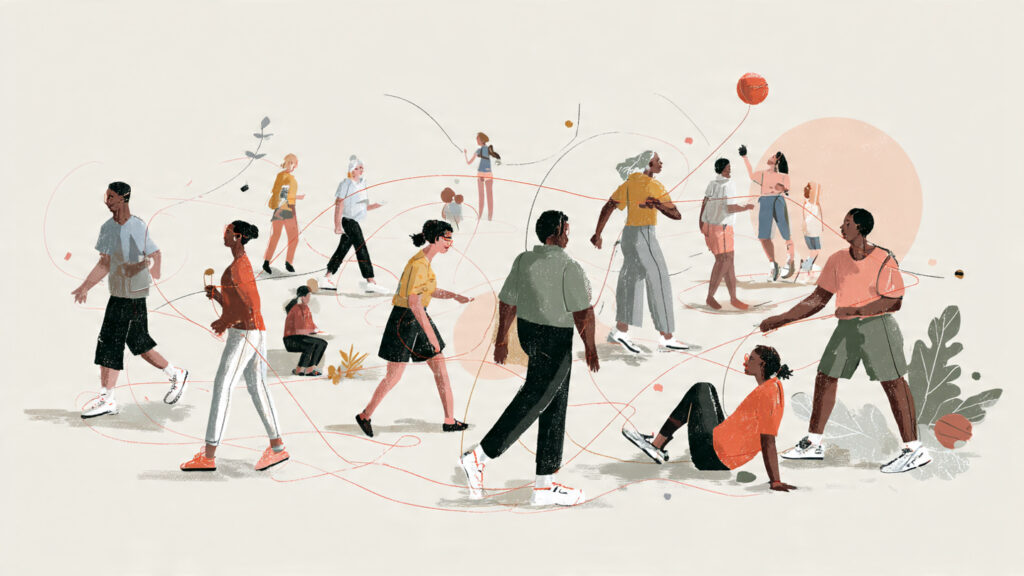
This guide explains exactly how to make friends as an adult, using practical strategies for building new connections that work in real U.S. adult life—not vague advice or forced networking.
Key Takeaways (Quick Scan)
- Adult friendships require intentional effort, not luck
- Repeated exposure matters more than charisma
- Shared activity builds trust faster than small talk
- Consistency beats intensity when forming connections
Why Making Friends as an Adult Is Genuinely Different
Adult friendships fail to form not because of personality, but because of structure loss.
Cause → Effect → Outcome Chain
Loss of shared environments → fewer repeated interactions → weaker social bonds
| Life Stage | Built-In Friendship Support |
|---|---|
| School | Daily proximity |
| College | Shared identity |
| Adulthood | Self-initiated only |
Key reality:
Adults must create the conditions that friendships need to grow.
Strategy 1: Use Repeated Exposure, Not One-Off Socializing
Friendship research consistently shows that repeated, low-pressure contact matters more than deep conversations early on.
What works
- Weekly classes
- Regular meetups
- Standing group activities
| Interaction Type | Friendship Potential |
|---|---|
| One-time event | Low |
| Weekly exposure | High |
Outcome:
Repetition → familiarity → trust
Strategy 2: Build Connections Through Shared Activity (Not Just Talking)
Adult friendships form fastest through doing something together, not sitting across a table.
High-success activity types
- Fitness classes
- Hobby groups
- Volunteering
- Skill-based workshops
| Activity Style | Bond Strength |
|---|---|
| Passive socializing | Weak |
| Shared effort | Strong |
Cause → Effect → Outcome
Shared challenge → mutual respect → deeper connection
Strategy 3: Become a “Regular” Somewhere
Familiarity breeds comfort.
Places where being a regular helps
- Gym classes
- Community events
- Faith or civic groups
- Coworking spaces
| Frequency | Social Result |
|---|---|
| Infrequent | Anonymous |
| Consistent | Recognized |
Outcome:
Recognition → conversation → connection
Strategy 4: Initiate Small, Low-Pressure Invitations
Waiting to be invited keeps friendships stuck.
Effective invitations
- Coffee after an activity
- Short walks
- Group hangs instead of 1-on-1
| Invitation Type | Acceptance Rate |
|---|---|
| Casual + short | High |
| Formal + long | Low |
Key point:
Adult friends grow through many small yeses, not big plans.
Strategy 5: Use “Situational Vulnerability” (Not Oversharing)
Connection requires openness—but timing matters.
What works early
- Sharing context (“I just moved here”)
- Asking for advice
- Relatable challenges
| Vulnerability Type | Effect |
|---|---|
| Situational | Builds rapport |
| Emotional dumping | Pushes away |
Outcome:
Light openness → psychological safety → trust
Strategy 6: Follow Up—Most People Don’t
Friendships die without follow-up.
Simple follow-ups
- “Good seeing you today”
- “Same time next week?”
- “Want to join us again?”
| Behavior | Result |
|---|---|
| No follow-up | Connection fades |
| Gentle follow-up | Bond continues |
Cause → Effect → Outcome
Follow-up → continuity → friendship momentum
Strategy 7: Focus on Compatibility, Not Popularity
Not every connection should become a friendship.
Compatibility signals
- Similar schedules
- Shared values
- Comparable life stage
| Focus | Result |
|---|---|
| Popularity | Burnout |
| Compatibility | Stability |
Outcome:
Aligned lifestyles → sustainable friendships
Strategy 8: Expect Slow Progress (This Is Normal)
Adult friendships often take months, not weeks.
Realistic timeline
- Weeks: familiarity
- Months: comfort
- 6–12 months: trust
| Time Frame | Relationship Stage |
|---|---|
| 1–3 months | Acquaintance |
| 6+ months | Friend |
Key insight:
Slow growth ≠ failure.
Common Mistakes That Block Adult Friendships
- Waiting for instant chemistry
- Overcommitting too fast
- Taking rejection personally
- Treating friendship like networking
| Mistake | Impact |
|---|---|
| Rushing | Awkwardness |
| Inconsistency | Drift |
How These Strategies Work Together
Friendship-Building Formula
Repeated exposure + shared activity + follow-up = connection
This removes pressure and lets trust form naturally.
Conclusion
Making friends as an adult is a skill, not a personality trait. The strategies that work—repetition, shared activity, consistency, and low-pressure initiation—create the conditions friendships need to grow.
Adult friendships don’t appear overnight. They’re built deliberately, one small interaction at a time. With the right approach, meaningful connections are not only possible—they’re predictable.