How to Lower Blood Pressure Naturally: Diet, Exercise, and Lifestyle Changes
High blood pressure (hypertension) affects millions of Americans, but many people can reduce their numbers naturally through diet, exercise, and daily habits. This guide explains how to lower blood pressure naturally using proven, safe lifestyle strategies supported by major U.S. health organizations. Every section directly supports the title’s promise: diet changes, exercise routines, and evidence-based habits that help promote healthier blood pressure.
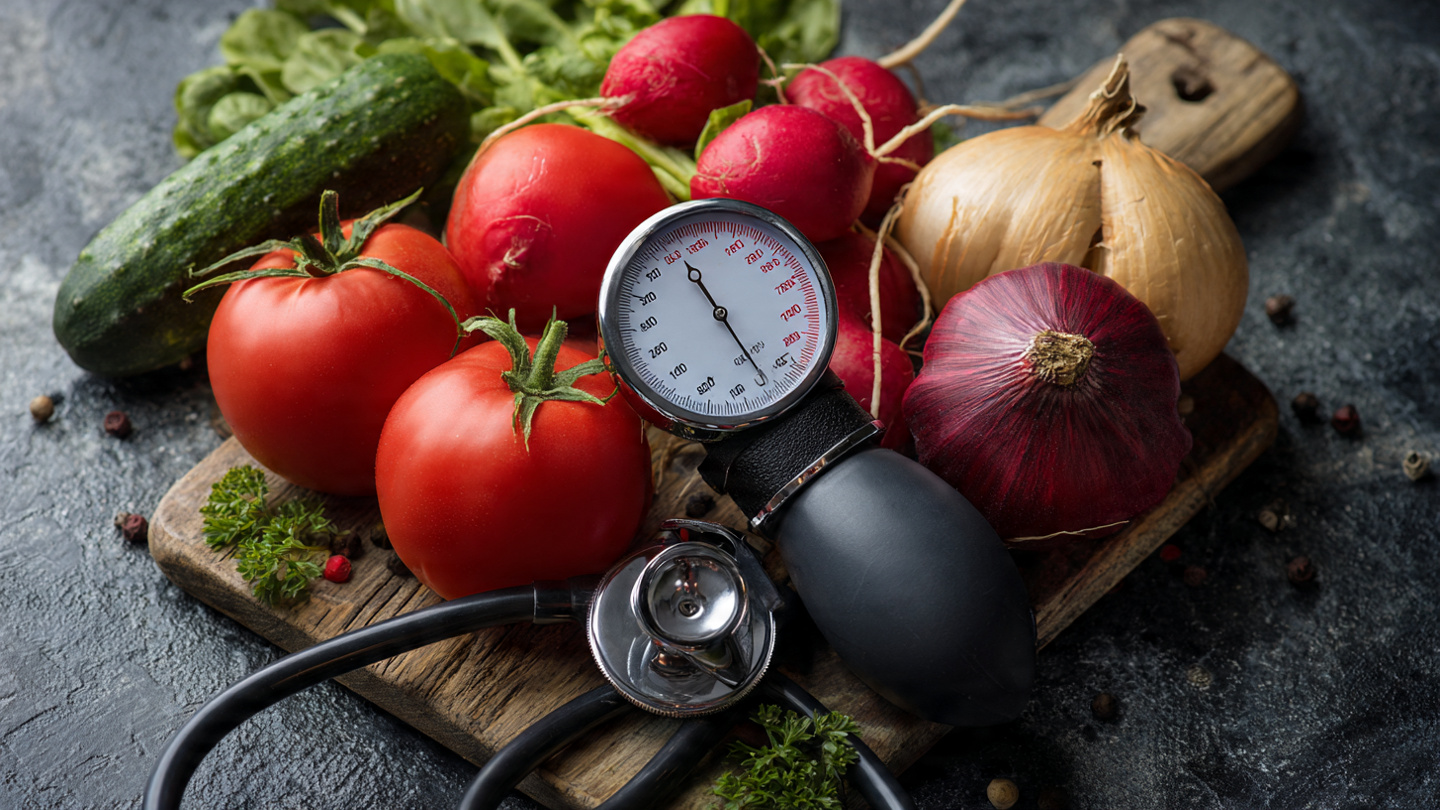
- Natural methods can significantly support healthy blood pressure levels.
- Diet changes—especially reducing sodium and increasing potassium—have major impact.
- Aerobic exercise is one of the most effective non-medication tools.
- Stress management and weight reduction play major roles.
- Monitoring blood pressure at home helps track progress.
1. Why Natural Blood Pressure Control Matters
High blood pressure increases the risk of heart disease and stroke, but lifestyle modifications can meaningfully improve your readings. Many Americans consume high sodium, low potassium diets, and have sedentary routines—key contributors to hypertension. Addressing these factors naturally supports healthier blood pressure without relying solely on medication.
Natural management is especially effective for people with prehypertension or mild hypertension, although individuals should always consult healthcare professionals for personalized care.
2. Diet Changes to Lower Blood Pressure Naturally
Diet is one of the most influential factors in blood pressure control. U.S. research consistently shows that adjusting sodium, potassium, and overall eating patterns has measurable effects.
A. Follow the DASH Diet
The DASH (Dietary Approaches to Stop Hypertension) diet is one of the most recommended nutrition plans for reducing blood pressure.
DASH focuses on:
- Fruits and vegetables
- Whole grains
- Lean proteins
- Nuts and legumes
- Low-fat dairy
B. Reduce Sodium Intake
The average American consumes significantly more than recommended levels.
- U.S. guideline: Aim for < 2,300 mg/day
- Many benefit from reducing to 1,500 mg/day
- Avoid high-sodium items like canned soups, processed meats, and fast food
C. Eat More Potassium-Rich Foods
Potassium helps balance sodium.
Examples:
- Bananas
- Potatoes
- Spinach
- Beans
- Avocados
D. Limit Added Sugars and Alcohol
Both are linked to elevated blood pressure.
E. Example of a Blood Pressure-Friendly Meal
- Grilled salmon
- Brown rice
- Steamed broccoli
- Fresh berries
3. Exercises That Lower Blood Pressure
Regular movement is one of the most effective natural methods.
A. Aerobic Exercise (Most Effective)
Aim for:
- 150 minutes/week of moderate aerobic activity
(walking, cycling, swimming)
Benefits:
- Strengthens the heart
- Lowers resting blood pressure
- Improves circulation
B. Resistance Training
2–3 sessions per week can help:
- Improve vascular health
- Support weight control
C. Short Bouts Count
Even 10-minute sessions contribute meaningfully when done consistently.
Example Routine
- 30-minute brisk walk (5x/week)
- Light strength training (2–3x/week)
- Weekend hike or cycling for added benefit
4. Lifestyle Habits That Help Reduce Blood Pressure
A. Weight Management
Losing even 5–10 pounds can reduce blood pressure meaningfully.
B. Stress Reduction
Chronic stress elevates blood pressure. Effective practices include:
- Deep breathing
- Meditation
- Yoga
- Short breaks during the workday
C. Improve Sleep Quality
Aim for 7–9 hours per night; poor sleep increases hypertension risk.
D. Quit Smoking
Smoking damages blood vessels and raises blood pressure.
E. Monitor Your Blood Pressure at Home
Tracking numbers at home helps identify patterns and measure progress.
Comparison Table: Natural Ways to Lower Blood Pressure
| Method | Impact | Time to See Improvement | Notes |
|---|---|---|---|
| DASH Diet | High | 2–4 weeks | Focus on low sodium + high potassium |
| Aerobic Exercise | High | 1–2 weeks | Most evidence-backed method |
| Weight Loss | High | 4–12 weeks | Even small loss helps |
| Stress Reduction | Medium | 1–2 weeks | Helps reduce temporary spikes |
| Reducing Alcohol | Medium | 1–3 weeks | Moderation helps most adults |
FAQ (People Also Ask)
What is the fastest natural way to lower blood pressure?
A combination of reducing sodium intake and doing 20–30 minutes of aerobic exercise may help improve readings in the short term.
Can drinking water lower blood pressure?
Hydration supports circulation, but water alone is not a treatment. It works best alongside diet and exercise.
What foods lower blood pressure immediately?
No food works instantly, but potassium-rich foods and nitrate-rich vegetables can support healthier levels over time.
How much can exercise lower blood pressure?
Regular aerobic exercise can reduce systolic pressure by 5–8 mm Hg in many adults.
Does caffeine raise blood pressure?
Yes, caffeine may cause short-term increases in some individuals. Monitoring your response helps personalize intake.
Action Steps
- Start tracking sodium intake using food labels.
- Add one 30-minute walk per day.
- Replace processed snacks with fruit or nuts.
- Practice 5 minutes of deep breathing daily.
- Monitor blood pressure weekly with a home cuff.
Conclusion
Lowering blood pressure naturally is possible for many people through realistic, sustainable changes. Focusing on diet, exercise, and daily lifestyle habits can significantly support heart health and improve blood pressure readings. These strategies are most effective when combined consistently over time and paired with guidance from a healthcare professional.