First Trip to Europe: A Two-Week Itinerary With Realistic Costs, Routes, and Budget Strategy
If you fly into Paris and out of Rome instead of booking a round-trip ticket, you can save both time and $150–$400 in backtracking costs. And if you travel in late April or early October instead of June, you’ll often pay 30–40% less for hotels—with the same daylight hours and fewer tour buses clogging the Colosseum entrance.

This guide walks you through a first-time, two-week Europe itinerary that balances icons with breathing room: Paris, Amsterdam, Florence, and Rome. You’ll get a day-by-day outline, realistic daily budgets, specific train routes, and where to spend and where to cut. I’ve done this route myself more than once—with tweaks—and it consistently delivers a strong first impression of Europe without burning through your savings.
The Smart Route: Four Cities, One Direction, Minimal Backtracking
For a first trip, resist the urge to cram in seven countries. Every border hop costs time, money, and energy. Four well-chosen cities is plenty.
Here’s the structure:
- Days 1–4: Paris
- Days 5–7: Amsterdam
- Days 8–10: Florence
- Days 11–14: Rome
Fly into Paris (CDG) and home from Rome (FCO). Use an “open-jaw” multi-city search on platforms like Google Flights or Skyscanner. The difference in airfare is often negligible, and you avoid doubling back.
For rail logistics, I use Rome2Rio to compare train vs. flight vs. bus options. For booking trains, stick to official operators like SNCF (France), NS International (Netherlands), and Trenitalia (Italy).
Here’s what the transit looks like:
| Route | Mode | Time | Book Early Price | Notes |
|---|---|---|---|---|
| Paris → Amsterdam | Thalys/Eurostar | ~3h20 | $40–$90 | Book 4–6 weeks ahead |
| Amsterdam → Florence | Flight | ~2h30 | $60–$120 | Budget airlines; check baggage fees |
| Florence → Rome | High-speed train (Frecciarossa) | 1h30 | $25–$45 | Runs every 30–60 min |
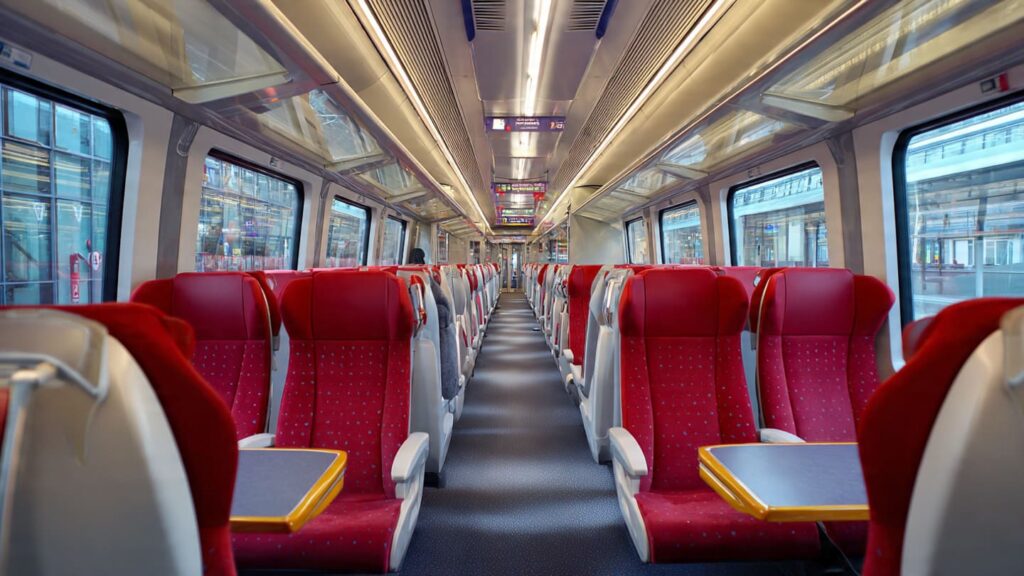
The only flight in this itinerary is Amsterdam to Florence. Everything else is train-based and painless.
What Two Weeks in Europe Actually Costs
Europe doesn’t have to mean $300-a-day spending. But it also isn’t Southeast Asia.
Based on recent prices and cross-checking with BudgetYourTrip averages and my own bookings, here’s a realistic mid-range breakdown per day:
| Category | Paris | Amsterdam | Florence | Rome |
|---|---|---|---|---|
| Budget Hotel (Private Room) | $130–$180 | $140–$190 | $110–$160 | $120–$170 |
| Hostel Bed | $30–$50 | $35–$55 | $25–$45 | $30–$50 |
| Meals | $30–$50 | $35–$55 | $25–$40 | $30–$45 |
| Transit & Attractions | $20–$35 | $20–$35 | $15–$30 | $25–$40 |
| Daily Total (Mid-Range) | $200–$275 | $220–$300 | $170–$230 | $200–$260 |
A realistic two-week budget:
- Budget traveler (hostels, simple meals): $2,200–$2,800 + flights
- Mid-range traveler (private rooms): $3,200–$4,000 + flights
Flights from the U.S. typically run $500–$900 round-trip if booked 2–4 months out.
Accommodation tip: In Paris, look at the 11th arrondissement. In Rome, stay near Campo de’ Fiori or Trastevere. In Amsterdam, anything inside the canal ring saves you transit costs.
I often book smaller boutique hotels via Booking.com, but I cross-check reviews on Google Maps first. Ratings under 8.0 in major cities? I skip them.
Paris to Amsterdam: Start Big, Then Slow Down
Paris deserves four nights. That gives you three full days without sprinting.
Day 1 is recovery: a long walk along the Seine, maybe from Notre-Dame toward the Eiffel Tower. Day 2: the Louvre in the morning (book timed entry on the official site), then the Marais for dinner. Day 3: Montmartre early. Before 9 a.m., it’s peaceful. After 11 a.m., it’s shoulder-to-shoulder.
Skip the expensive river dinner cruises. A €2.10 metro ticket gets you anywhere.
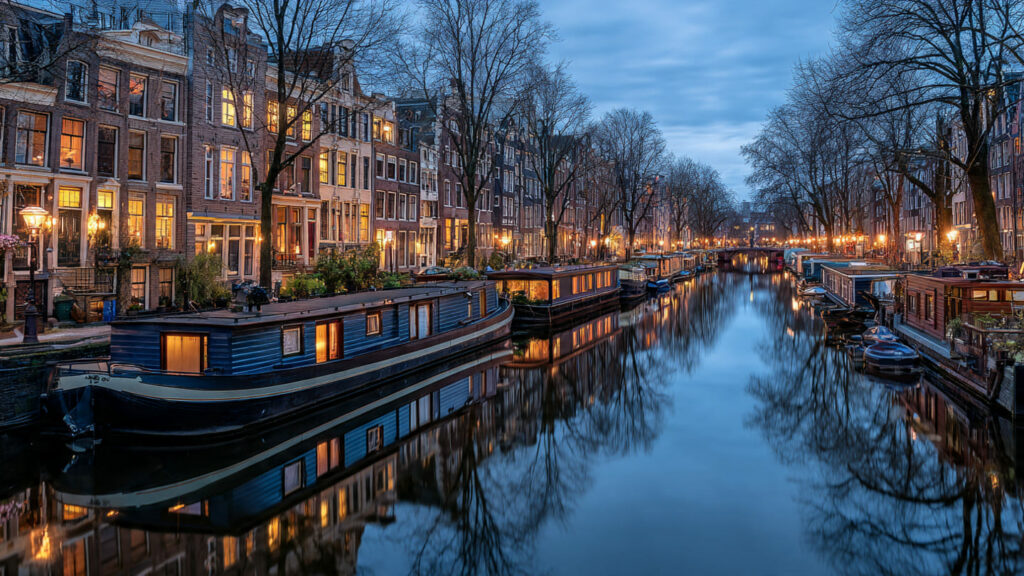
Amsterdam shifts the pace. Three nights is perfect. Rent a bike only if you’re confident; the cycling lanes are serious business. I prefer walking the Jordaan district at dusk and taking a standard canal cruise (around $20–$25) rather than a themed one.
Food isn’t cheap here. Expect $18–$25 for casual mains. Albert Heijn grocery stores are your friend for picnic supplies.
Florence and Rome: Where Your Budget Stretches Further
Italy is where your dollar breathes again.
Florence is compact. You can walk almost everywhere. Three nights here gives you two full days: one for the Duomo complex and Uffizi Gallery, and one for either Pisa or a Tuscany day trip.
The Uffizi costs about €25 (~$27) in peak season. Book online via the official site to avoid lines. I once tried same-day entry in May. Never again.
Meals here are better value. A solid trattoria dinner with wine runs $20–$30. Avoid restaurants with laminated tourist menus near Piazza del Duomo.
Then Rome. Controlled chaos. Four nights minimum.
Book Colosseum and Vatican tickets in advance through official portals. Guided tours can be worth it inside the Vatican Museums; it’s enormous. But skip “skip-the-line” street sellers. Many are resellers marking up free-entry time slots.
Stay central. Rome’s buses are unreliable. Walking saves frustration.
Timing Is Everything: Shoulder Season Wins
The sweet spots:
| Month | Weather | Crowds | Prices | Verdict |
|---|---|---|---|---|
| April | Mild (55–70°F) | Moderate | Lower | Excellent |
| May | Warm | High | Higher | Good, but busy |
| June | Warm/Hot | Very High | Peak | Crowded |
| July–August | Hot | Very High | Peak | Exhausting |
| September | Warm | High | Slightly lower | Very good |
| October | Mild | Moderate | Lower | Excellent |
Late April and early October are ideal. Hotels drop, airfare dips, and cities feel livable again.
I made the mistake of visiting Rome in mid-July once. It was 95°F and the Colosseum line wrapped around the block by 9 a.m. Shoulder season isn’t just about cost. It’s comfort.
Practical Planning Details Most First-Timers Miss
Visa Requirements:
U.S. passport holders can visit Schengen countries visa-free for 90 days within 180 days. Check official requirements via the EU’s portal or tools like iVisa for updates.
City Transit Passes:
Paris Visite Pass rarely saves money unless you’re far outside the center. In Rome, single tickets are often cheaper than multi-day passes unless you’re commuting daily.
Cash vs. Card:
Cards are widely accepted. But always carry €50–€100 in small bills. Italian cafés sometimes prefer cash for small tabs.
Travel Insurance:
Medical coverage abroad matters. I compare options on Squaremouth before any trip longer than a week.

Where to Spend and Where to Save
Spend on:
- Central accommodation
- Timed-entry tickets to major sites
- High-speed trains
Save on:
- Fancy tours
- Airport taxis (use train or metro)
- Overpriced restaurant zones
And skip trying to “do Europe.” Focus on walking neighborhoods, sitting in cafés, watching how cities move.
Final Advice: Leave Space
The biggest mistake first-timers make isn’t overspending. It’s overscheduling.
Build in open mornings. Let yourself wander Trastevere at night without an agenda. Sit along the Seine with supermarket wine and a baguette. Take the long route back to your hotel in Florence just to see what you pass.
Four cities in two weeks is enough to feel Europe without feeling crushed by it. And if you time it right, book smart, and move in one direction, it’s entirely possible to do it well on $3,000–$4,000 plus airfare.
The trip will feel bigger than the map suggests.
References
- BudgetYourTrip — Europe cost data — https://www.budgetyourtrip.com/
- Rome2Rio Route Planner — https://www.rome2rio.com/
- EU Schengen Visa Policy — https://home-affairs.ec.europa.eu/
- Trenitalia Official Site — https://www.trenitalia.com/
- SNCF Connect — https://www.sncf-connect.com/
- Amsterdam & Partners Tourism Board — Official visitor information website